Windows 11 is compatible with almost every device that supports Windows 10 but to be sure if your device is compatible for the update you install the Microsoft PC Health Check app on your device. The app runs through the system configurations and will give you the required information. Microsoft also suggests that for best Windows 11 upgrade experience, eligible devices should be running Windows 10, version 20H1 or later. Original equipment manufacturers can still ship computers without a TPM 2.0 coprocessor upon Microsoft's approval.
Some third-party software may refuse to run on unsupported configurations of Windows 11. He also acknowledged the expansion of Microsoft Store to include more "traditional" desktop applications. The time of completion will depend on your internet connection and device hardware.
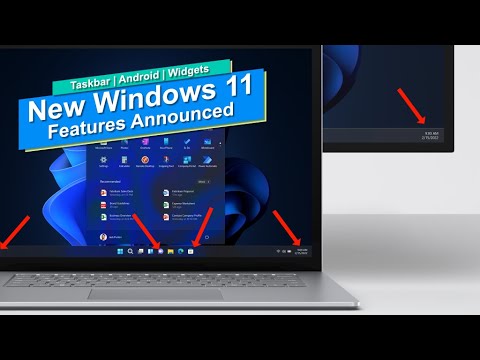
Apart from a fresh coat of paint and a few features, the operating system maintains most of the core functionality of Windows 10. Visually, Windows now has rounded corners, and the taskbar icons and the start menu have moved to the centre. One of the most jarring experiences for me has been getting used to the centred Start Menu. While the new start menu looks nice with pinned apps on the top and recent files below it, the sporadic movement of the Start button is a chore. In Windows 10 and previous versions of Windows, the left aligned start menu has been in the same spot as always. In Windows 11, the menu is centred, and the addition of new icons tends to push icons away from each other on the centred plane.
I was forced to look at the taskbar and understand where the icon moved to click on it. It would have been a better design decision to leave the start button to the left while only moving application icons to the centre. Fortunately, users can fix this problem by realigning all icons to the left. Citing security considerations, the system requirements for Windows 11 were increased over Windows 10. While the OS can be installed on unsupported processors, Microsoft does not guarantee the availability of updates. Windows 11 also drops support for 32-bit x86 CPUs and devices which use BIOS firmware.
If you have a device running Windows 7, you can upgrade it to Windows 11 without losing your files using the ISO file, but the process will require a complete reinstallation. This means that your apps and settings won't carry over to the new installation. However, before you upgrade to Windows 11 from Windows 7, you will have to check that the laptop or desktop meets the minimum system requirements. For instance, the computer must include a motherboard with UEFI firmware, and the processor must be an Intel's 8th Gen or newer or an AMD Zen 2 or newer. Also, the computer needs TPM 2.0, Secure Boot, at least 64GB of storage, and 4GB of RAM. Microsoft is all set to roll out Windows 11 for all compatible devices starting October 5.

The beta version of the operating system has already been out now for months and the final build is also available to Windows Insider users. The update is said to have intuitive navigation along with a refreshed look and more apps. One of the most noticeable changes in Windows 11 in the taskbar, which looks similar to the one on Mac, and context menus, popups and windows have rounded corners. According to the company, Windows 11 is built on the same foundation as the Windows 10 and it is designed to work efficiently on both touchscreen and non-touchscreen devices. To help get the latest version of Windows without any hiccups you can read below.

In this case, it's recommended to wait as you may run into issues during or after the installation. Microsoft is confident that its machine learning-based rollout will allow for a greater number of devices to be safely upgraded to Windows 11. Microsoft is recommending users to download and install Windows 11 for security features, and the company will continue to provide monthly updates to ensure a smooth upgrade experience. As before, Microsoft doesn't recommend installing Windows 11 on a device that doesn't meet the system requirements — though you can still do so. One thing to keep in mind is you might not get updates on a PC with an unsupported processor.
When Microsoft first released Windows 11 on October 4th, the company said it expected it would offer the upgrade to all eligible devices by mid-2022. As part of the minimum system requirements, Windows 11 only runs on devices with a Trusted Platform Module 2.0 security coprocessor. According to Microsoft, the TPM 2.0 coprocessor is a "critical building block" for protection against firmware and hardware attacks. In addition, Microsoft now requires devices with Windows 11 to include virtualization-based security , hypervisor-protected code integrity , and Secure Boot built-in and enabled by default. The operating system also features hardware-enforced stack protection for supported Intel and AMD processors for protection against zero-day exploits. While Windows 11 is free for many Windows 10 users, there is a rite of passage for this version of Windows.
Not all desktops and laptops may be able to use Windows 11, since the update comes with system requirements that might lock many Nepali systems out of the update. More recent laptops would most likely have this TPM module, but many older and custom-made computers might not. Computers running older CPUs, mainly Intel 7th Generation and older, are locked out of the update, while Windows 11, at least in the early phases, did not play well with AMD CPUs due to a scheduler issue. Many workarounds for these requirements aren't official and may lock you out of future updates. Microsoft has also removed local user profiles for Windows 11 Home users, forcing people to connect to an online Microsoft account, which is for data collection and telemetry in all intents and purposes.

Windows 11 might be free, but you will be paying for it in data. The official, release version of Windows 11 is now available as a free upgrade to anyone who has Windows 10 and a PC that meets Microsoft's minimum hardware requirements. However, the Redmond software giant isn't pushing the upgrade to every eligible system at once. Some users will be offered the option to upgrade in their Settings menu on or around the October 5th official launch date while others may be waiting until 2022. In October 2019, Microsoft announced "Windows 10X", a future edition of Windows 10 designed exclusively for dual-touchscreen devices such as the then-upcoming Surface Neo. Legacy Windows applications would also be required to run in "containers" to ensure performance and power optimization.

Microsoft stated that it planned to release Windows 10X devices by the end of 2020. Internet Explorer has been replaced by the Chromium-based Microsoft Edge as the default web browser, and Microsoft Teams is integrated into the Windows shell. Microsoft also announced plans to allow more flexibility in software that can be distributed via Microsoft Store, and to support Android apps on Windows 11 . The biggest change to Windows 11 is its more stringent hardware requirements.

If your PC is recent, say, within the past five years, you should be alright, but older devices may be stuck with Windows 10 for the foreseeable future. That's not to say the company won't be providing security updates to Windows 10, but that's about as much as you can hope for. Since the controversial hardware decision—implemented for both performance and security reasons—Microsoft added Windows 11 support for some older computers, but the company still recommends against it. It's not imperative that you upgrade your system to Windows in the next couple of weeks, or even months. For many people, that's about the time to upgrade to a newer device, one that will come with Windows 11 already installed. Windows 11 is a free upgrade, but the minimum system requirements are quite a bit higher than ever before.
Microsoft calls Windows 11 the most secure Windows yet, and that tag comes at the cost of backward compatibility. Trusted Platform Module 2.0, aka TPM 2.0, is one of those requirements. Instead of a longer flyout, the new menu has a broader feel with a search bar at the top, followed by pinned apps and recent files. The new start menu looks fresh and nice; pinned applications and recent files follow a nice long search bar on the top. Although the simplified start menu is a visual upgrade to Windows 10, it is far more simplistic with no live tiles or dynamic content.
Even the context menu for the taskbar has been simplified as right-clicking the bar only yields one result with the removal of essential options like the task manager or toolbars. Oh, and you can't move the taskbar at all in Windows 11—at the bottom is the only option. As I've noted in past blogs, being on the latest version of Windows provides you with the best in creativity, protection and productivity. Windows 11's minimum system requirements enable a new era of experiences, reliability and security. AsPanos Panay shared in June, this is the first version of a new era of Windows.
And, for customers who are using a device that is not eligible for Windows 11, Windows 10 is a great place to be. Windows 10 will be serviced through Oct. 14, 2025and we previously announced that the next feature update to Windows 10 is coming very soon, continuing to offer you both support and choice with Windows. Our launch approach to Windows 11 leverages the well-established systems and processes used for the 1.3 billion Windows 10 devices we have shipped and serviced for over five years. We will use a measured and phased process in offering Windows 11 as we have done with Windows 10 feature updates.
Our objective is to provide you with a smooth upgrade experience. We will begin to offer the upgrade to eligible new devices first1,2. Then, as with previous rollouts, we will study device health data and other signals to determine the pace at which Windows 11 is offered via Windows Update.

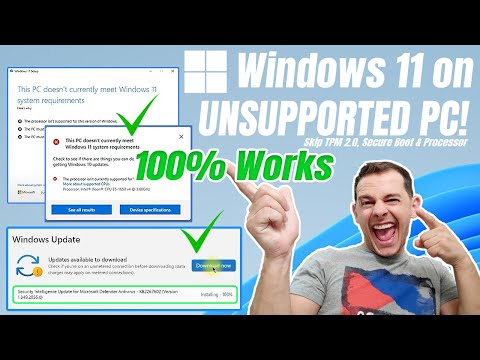
This is why you need a newer computer to operate Windows 11 at full capacity. There is a way to install Windows 11 on unsupported hardware, but we wouldn't recommend it. Although Microsoft hasn't confirmed it, the company has heavily implied that unsupported users won't receive critical security updates.
If you still want to install, you can do so using the Media Creation Tool, which bypasses hardware checks. If your existing Windows 10 PC is running the most current version of Windows 10 and meets the minimum hardware specifications it will be able to upgrade to Windows 11. The upgrade rollout plan is still being finalized, but for most devices already in use today, we expect it to be ready sometime in early 2022. Not all Windows 10 PCs that are eligible to upgrade to Windows 11 will be offered to upgrade at the same time.

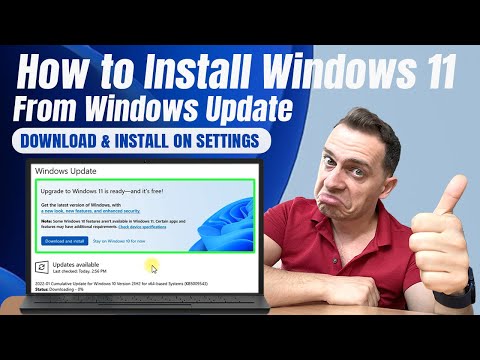
Once the upgrade rollout has started, you can check if it is ready for your device by going to Settings/Windows Updates. Devices that do not meet the minimum system requirements will remain on Windows 10 and continue to be supported with security updates. Customers using long term service releases will continue to be supported through the published end of support dates. For more information about Windows 10 support, see HP products tested with Windows 10. The new Windows OS takes cues from its smartphone relatives, simplifying basic settings changes and making them easy to access.

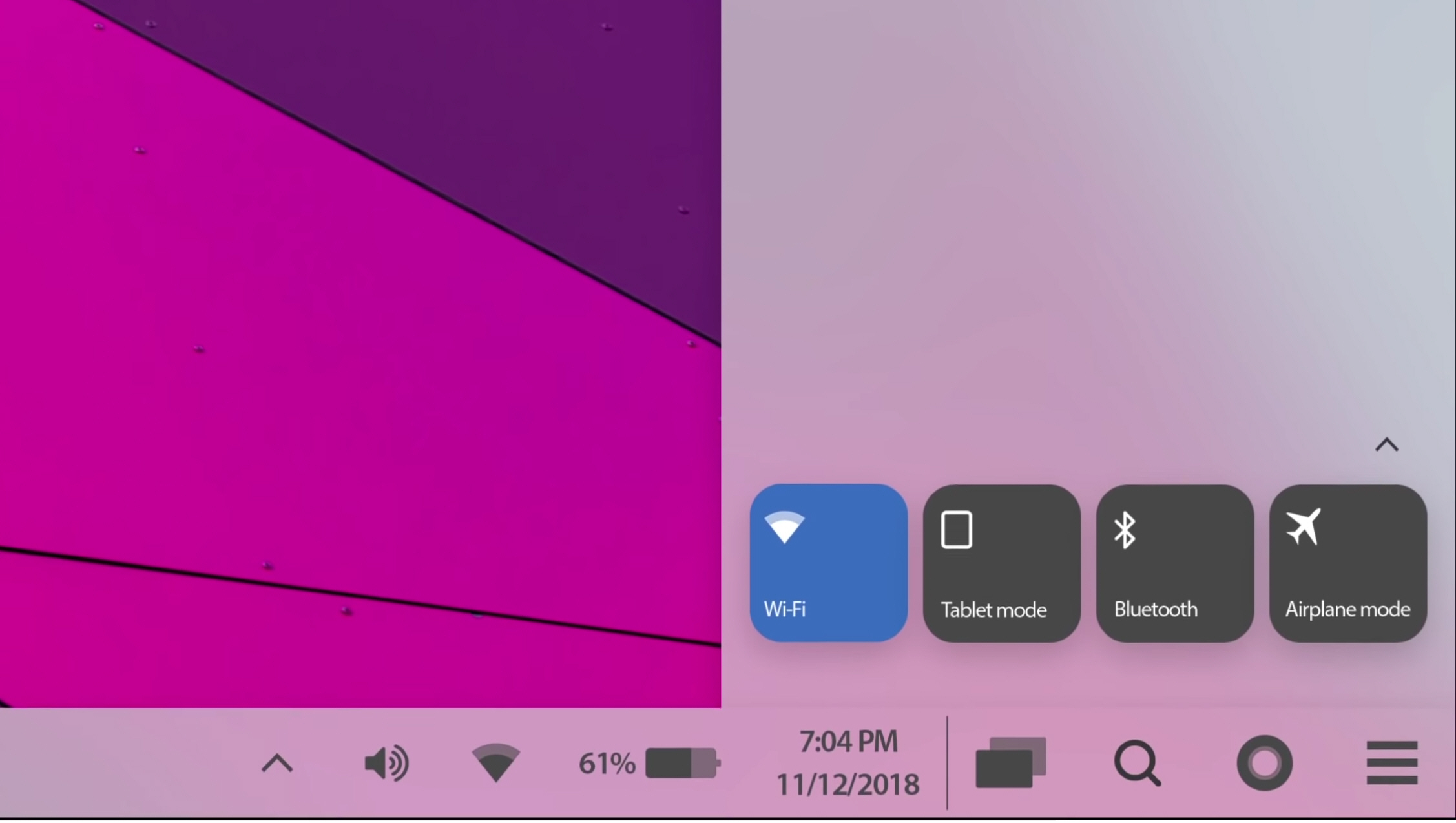
One click or tap in the corner of your taskbar to pull up a control panel similar to Apple's Control Center, which lets you futz with settings like brightness and volume, connectivity, and more. Windows apps now feature more aesthetically pleasing curved corners, and the Settings app has more options to change how you interact with the OS thanks to more accessibility features. New sounds and audio cues are available for blind users, and themes for people with light sensitivity or those working long hours have been updated to be easier on the eyes. You can also create a recovery drive on a USB device that can be used to access system recovery tools if issues arise during the installation of Windows 11.

With the recovery drive, you can install Windows 10 or older versions of Windows. You should also keep in mind that the recovery drive can't help you to recover corrupted files. Windows 11 has been released as a free upgrade for compatible laptops and desktop computers running Windows 10 with a slew of new features and changes. On October 5, 2021, Microsoft has begun the slow rollout starting with newer devices first.
Then, it will expand to more compatible computers over time, and it will become fully available by mid-2022. With the Windows Update not offering to install Windows 11 on many computers, there is much confusion about how exactly one is to get the latest version on their PC. Sure, you can always download an ISO file and create a bootable USB drive, but installing from such means requires you to lose your files and apps.

Microsoft has finally started rolling out Windows 11 to more PCs. Our testing and Microsoft's statement indicate that the company has started pushing Windows 11 to devices that meet the minimum hardware requirements after testing it with a subset of users for a while. For long-time Windows users, this update may cause a few annoyances. For example, the taskbar can no longer be resized or moved.
The start button resides in the center by default, although you can move it back to the left. Also, the right-click menu hides away some menu options, like some app-specific functions you get with apps like Winrar, or some other Windows options like Troubleshoot compatibility. Even though Windows 11 can work on most unsupported PC, this doesn't mean it will work perfectly.
Depending on the PC, some of the features may not work correctly, or Windows may corrupt or malfunction. Microsoft also doesn't recommend installing Windows 11 on unsupported devices, and there is no guarantee such devices will receive all future updates. At least 16GB of RAM The basic system requirements of Windows 11 differ significantly from Windows 10. Windows 11 only supports 64-bit systems such as those using an x86-64 or ARM64 processor; IA-32 processors are no longer supported.
Thus, Windows 11 is the first consumer version of Windows not to support 32-bit processors . The minimum RAM and storage requirements were also increased; Windows 11 now requires at least 4GB of RAM and 64GB of storage. S mode is only supported for the Home edition of Windows 11. The compatibility list includes the Intel Core i7-7820HQ, a seventh-generation processor used by the Surface Studio 2, although only on devices that shipped with DCH-based drivers.
Windows 11, the first major Windows release since 2015, builds upon its predecessor by revamping the user interface to follow Microsoft's new Fluent Design guidelines. The redesign, which focuses on ease of use and flexibility, comes alongside new productivity and social features and updates to security and accessibility, addressing some of the deficiencies of Windows 10. For details, seeMicrosoft's Security Update Guide and the November 2021 Security Update notes.
It also fixes a bug that causes improper rendering of some user interface elements or when drawing within some apps. And it makes quality improvements to the servicing stack, which is the component that installs Windows updates. For the files necessary to create that installation media, head to Microsoft's Windows 11 download page. Existing Windows users can use Microsoft's Media Creation Tool, which handles the download for both USB drives and DVDs.

After the download, double-click the ISO file and then double-click the setup.exe file. Click Next at the initial install screen to check for and download any updates to Windows 11. At the Ready to Install screen, you will see that Windows 11 will be installed and personal files and apps will be kept by default. Click Next to have Windows 11 check for any updates, then accept the license terms. The Ready to install screen shows that Windows 11 will be installed and that your personal files and apps will be kept. You can then elect to keep personal files and apps, personal files only, or nothing.

Another option is to create installation media on a USB key and install the operating system using that. A final option is to download a Windows 11 disk image to create a bootable installation media such as a USB stick or DVD, or create a virtual machine to install the new Windows software. Microsoft has also provided an option to create a bootable USB drive or DVD from its Windows 11 software page. Additionally, you can create a Windows 11 Disk Image that will be available on a bootable installation media such as a USB flash drive or DVD to help you install the new Windows version on your machine. Once the installation is complete, you should find all of your files and applications in the same place you left them before the update. Some may sport a new look (those rounded edges on apps and folders look nice, don't they?) but everything should function as you remember.


No comments:
Post a Comment
Note: Only a member of this blog may post a comment.